Industrial shredder blades are essential to the efficiency and performance of shredding equipment, especially in industries like recycling and waste management. Proper maintenance is crucial to keep them functioning at their best. With consistent care and routine upkeep, you can extend blade lifespan, improve operational efficiency, and lower overall operating costs.
Understanding Industrial Shredder Blades
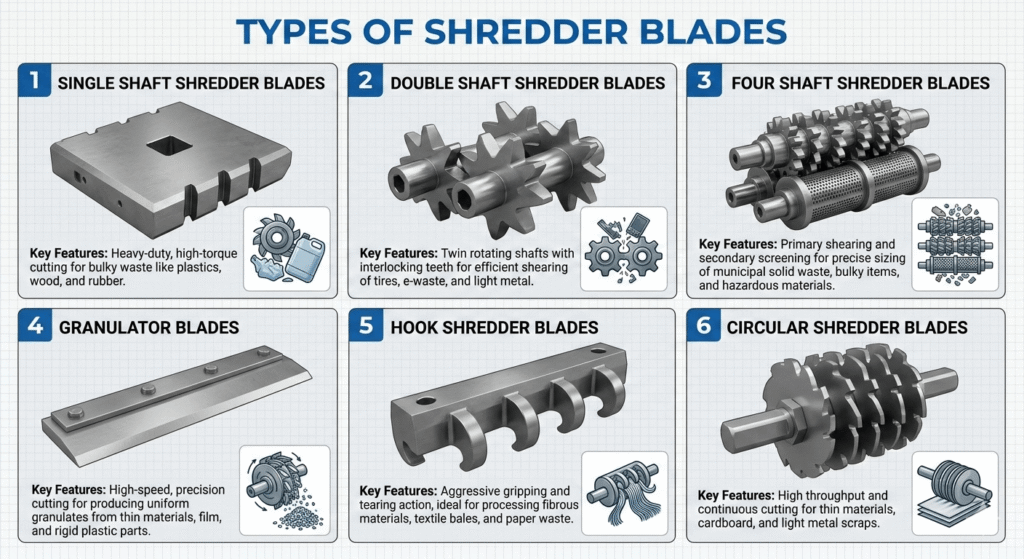
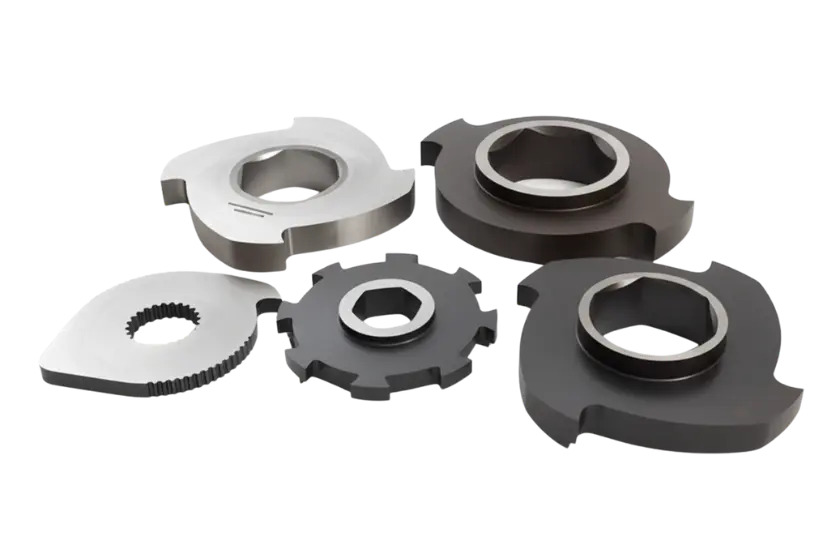
Shredder blades are available in different types, each designed for specific applications:
- Single-Shaft Blades: Engineered for consistent and uniform cutting, these are widely used in recycling and general material processing.
- Double-Shaft Blades: Built for heavy-duty tasks, they are ideal for shredding bulky or tough materials.
- Granulator Blades: Known for their precision, these blades are commonly used in industries such as plastics and rubber processing.
The material composition of shredder blades such as tool steel or hardened alloys plays a key role in their durability and maintenance requirements. For example, high-carbon steel blades need regular lubrication to prevent rust, while tungsten-carbide-coated blades require careful sharpening to maintain their cutting edge.
Routine Inspection of Industrial Shredder Blades
Regular inspections are essential for maintaining blade performance and longevity. Here’s what you should focus on:
- Inspection Frequency: Check the blades weekly or after every 20 hours of operation, depending on how heavily the machine is used.
- What to Examine: Look for sharpness, wear patterns, cracks, and any uneven or chipped edges.
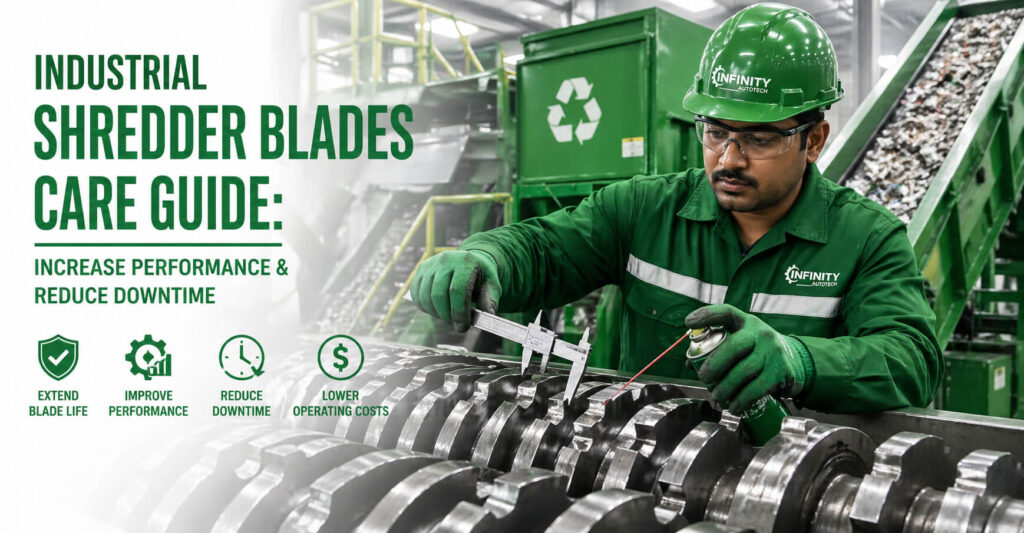
- Tools and Techniques: Use calipers for accurate measurements and a magnifying glass to identify small cracks or defects that may not be visible to the naked eye.
By following a consistent inspection routine, you can catch minor issues early and avoid expensive repairs or premature blade replacement.
Cleaning Procedures
Keeping shredder blades clean is essential for maintaining performance and preventing buildup that can affect efficiency.
- Recommended Cleaning Agents: Use mild solvents, non-abrasive pads, and compressed air to safely remove debris and residue.
- Cleaning Method: If possible, disassemble the blades and clean each component thoroughly to ensure all accumulated material is removed.
- Mistakes to Avoid: Do not use acidic cleaners or high-pressure water, as they can lead to corrosion, damage, or misalignment.
Sharpening and Reconditioning
Maintaining sharp blades is critical for achieving consistent and efficient shredding results. Consider the following:
- When to Sharpen: Look for signs such as reduced efficiency, uneven cutting, or visibly dull edges.
- Sharpening Methods:
- Manual Sharpening: Suitable for minor wear, using whetstones or files for quick touch-ups.
- Professional Grinding: Recommended for heavily worn blades to restore accuracy and cutting performance.
- Reconditioning vs. Replacement: If blades are excessively worn or cannot be effectively sharpened, reconditioning or replacing them is necessary to maintain safety and optimal performance.
Lubrication and Adjustment
Proper lubrication is essential to minimize friction, reduce wear, and keep shredder blades operating smoothly.
- Recommended Lubricants: Use high-quality industrial lubricants specifically formulated for high-speed machinery.
- Application Method: Apply a thin, even layer to the blade surfaces and all moving components.
- Adjustment: Regularly inspect and adjust blade alignment and tension to prevent vibration, wobbling, and uneven shredding.
Preventive Maintenance
A well-planned maintenance program can significantly extend the service life of shredder blades.
- Scheduled Maintenance: Develop a monthly or quarterly checklist covering inspection, cleaning, sharpening, and lubrication.
- Operator Training: Ensure staff are properly trained in blade handling and maintenance practices to avoid unnecessary damage.
- Maintenance Records: Keep detailed logs of all maintenance activities to monitor blade condition and plan timely replacements.
Handling and Storage
Improper handling and storage can cause avoidable damage to shredder blades. Follow these best practices:
- Handling: Always wear protective gloves and use the proper tools to prevent accidental nicks, chips, or misalignment.
- Storage: Keep blades in a clean, dry area. Use protective covers or dedicated racks to avoid corrosion and physical damage.
Troubleshooting Common Issues
Even with proper maintenance, shredder blades may occasionally develop problems such as jamming or inconsistent cutting. Here’s how to address them:
- Common Issues:
- Jamming: Remove any blockage and check for root causes, such as dull or damaged blades.
- Uneven Shredding: Inspect blade sharpness and alignment.
- Diagnostic Approach: After making adjustments, run a test cycle to confirm that the issue has been properly resolved.
Conclusion
Regular inspection, cleaning, and sharpening of industrial shredder blades not only enhance machine performance but also help reduce operating costs by extending blade life and minimizing downtime.
If you have any questions about maintaining shredder blades or are looking to purchase high-quality blades, feel free to visit our website or contact us at +91 9974555988. We look forward to working with you!