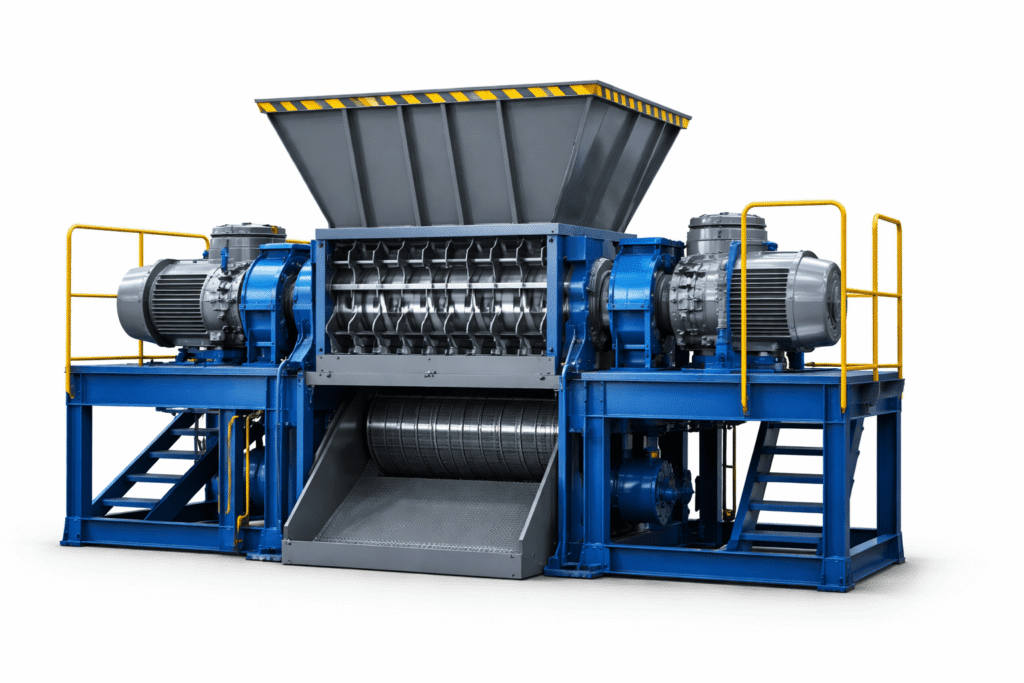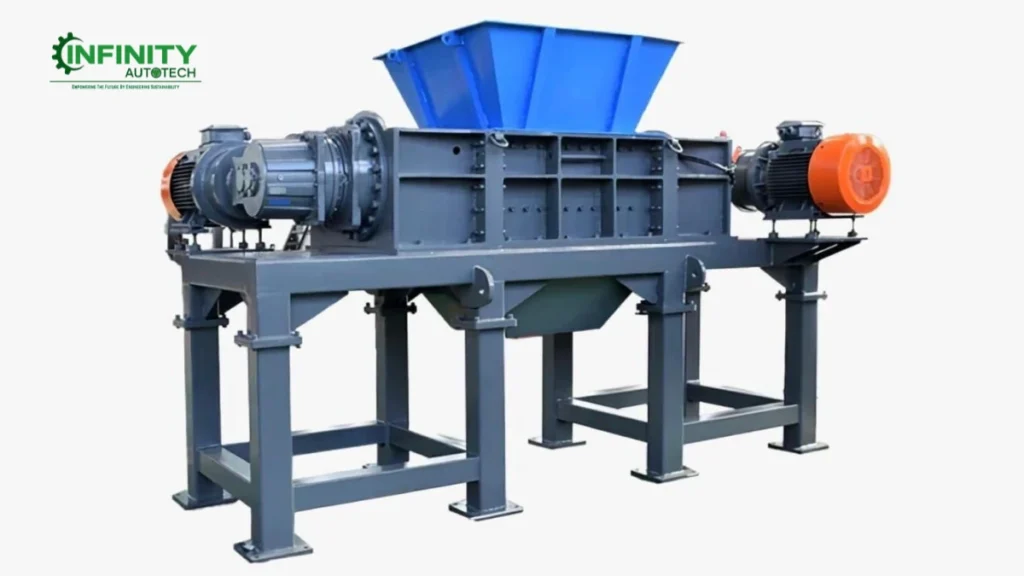

In busy recycling facilities, manufacturing plants, or document destruction operations, shredders are the workhorses that keep material flowing. Yet many breakdowns trace back to the same pattern: small issues that operators notice but never quite get around to fixing. A bit of dust buildup here, a spacer that’s started to wear there, blades that have lost their edge, these minor oversights compound until the machine grinds to a halt, often at the worst possible moment.
Preventative maintenance changes that story. A consistent checklist catches problems early, extends equipment life, reduces energy consumption, and keeps output consistent. The good news is that most tasks don’t require advanced technical skills or major downtime. They simply demand regular attention. This guide walks through a practical, frequency-based checklist tailored for common industrial and heavy-duty shredders, with extra focus on cleaning, spacers, and blade wear the areas where neglect most often leads to big repairs.
Why Prevention Beats Reaction Every Time
Shredders operate under high stress. Rotating blades or cutters slam into varied materials, generating heat, vibration, and friction. Over time, this wears components and allows debris to accumulate in hard-to-reach spots. When operators push the machine anyway, motors draw higher amps, bearings run hot, and small clearances turn into metal-on-metal contact.
Facilities that treat maintenance as non-negotiable report fewer emergency calls, steadier throughput, and lower long-term costs. The key is building routines that fit into daily, weekly, and monthly schedules rather than waiting for warning signs like unusual noise, reduced output, or rising power consumption.
Daily Maintenance: The Foundation
Start every shift with quick visual and operational checks. These take 10–15 minutes but prevent the majority of avoidable stops.
- Clear the cutting chamber and surrounding areas. Remove debris, stray material, or residue before starting and after shutdown. Buildup in the chamber or around the discharge increases drag and can lead to jams or uneven wear. Use compressed air or a vacuum for thorough cleaning never force anything with tools that could damage components.
- Listen and observe. Run the machine briefly under no load and note the sound. Any new grinding, rubbing, or knocking deserves immediate investigation. Check for unusual vibration or heat around bearings and motors.
- Check lubrication points. Verify oil levels in gearboxes or reservoirs and top up as needed with the manufacturer-recommended product. Grease specified points while the machine runs, following exact pump counts to avoid over- or under-greasing.
- Inspect safety features. Test emergency stops, interlocks, and guards. A non-functional safety system is not just a compliance risk, it can turn a minor incident into a serious one.
- Empty and clean collection systems. Remove full bins or bags promptly to prevent back-ups that force material back into the cutters.
Consistency here trains operators to spot changes quickly. Many teams keep a simple log sheet near the machine for notes on noise, amps, or observations.
Weekly Inspections: Digging Deeper
Once a week, dedicate 30–60 minutes to more targeted checks. This is where blade and spacer attention becomes critical.
Monitoring Blade Wear: Blades or knives do the real work, and their condition directly affects everything else. Dull edges tear material instead of slicing it cleanly, raising motor load and producing inconsistent particle sizes. Look for rounding, chipping, cracks, or uneven wear patterns. In single-shaft designs, rotatable knives can often be indexed to a fresh edge before full replacement. Track hours of operation and inspect after roughly 20–40 hours of heavy use, adjusting for abrasive materials.
Signs that blades need attention include higher-than-normal amperage draw on the same feedstock, more fines or dust in output, or material that looks smeared rather than cut. Address issues promptly waiting until performance drops noticeably means the rest of the system has already taken extra strain.
Checking Spacers and Clearance: Spacers maintain proper gaps between cutters. Worn or deformed spacers alter cutting geometry, leading to vibration, poor cut quality, or even rotor contact. During weekly inspections, examine spacers for wear, ensure they seat cleanly, and verify torque on fasteners. Proper clearance (often measured with feeler gauges) is essential too tight risks rubbing, too loose allows material to fold and jam. Clean knife pockets thoroughly whenever accessing the rotor, as leftover debris prevents proper seating and accelerates problems.
Additional weekly tasks:
- Inspect belts, chains, or couplings for tension, alignment, and wear.
- Clean cooling vents, filters, and electrical panels (use vacuum, not compressed air, to avoid moisture).
- Check hydraulic systems (if equipped) for leaks, hose abrasion, or fluid condition.
- Examine conveyor or feed systems for smooth operation and buildup.
Monthly and Deeper Maintenance
Monthly work builds on weekly routines with more comprehensive actions:
- Perform full lubrication of all points per the manual.
- Tighten mounting bolts and check for any loosening due to vibration.
- Inspect electrical connections, wiring, and control panels for signs of heat or corrosion.
- Test all safety interlocks thoroughly.
- For blade systems, measure and adjust clearances if needed, and rotate or sharpen knives on schedule (typically every 300–500 hours depending on application).
Consider professional service every six months for high-volume operations or annually for lighter use. Experts can perform alignments, bearing checks, and in-depth diagnostics that in-house teams might miss.
Cleaning: The Often-Overlooked Hero
Cleaning deserves its own emphasis because residue is sneaky. Paper dust, plastic fines, or metal particles accumulate in gaps, on screens, and around bearings. This creates extra friction, blinds discharge screens, and hides wear.
Use compressed air, vacuums, and soft brushes regularly. For stubborn buildup, mild solvents or manufacturer-approved cleaners work well to avoid anything abrasive or corrosive. In plastic or recycling shredders, clean knife pockets and screens weekly to maintain flow and cut quality. A clean machine runs cooler, uses less power, and reveals problems faster.
Building an Effective Program
Create a written schedule that matches your operation’s intensity and material type. Abrasive or contaminated feedstock demands shorter intervals. Train operators on what “normal” looks and sounds like, and encourage logging. Track key metrics motor amps under standard load, number of reversals, throughput rates, and oil condition. Trends in these numbers often flag issues before they become obvious.
Keep spare parts on hand: blades/knives, spacers, belts, filters, and lubricants. Nothing extends downtime like waiting for a shipment. Also, control input material when possible remove tramp metal upstream with magnets or detectors to protect cutters.
The Payoff
Facilities that follow a solid preventative checklist see shredders lasting years longer with fewer surprises. Output stays consistent, energy bills trend lower, and repair budgets shrink. More importantly, operations keep moving instead of halting for unplanned fixes.
Maintenance is not glamorous, but it is one of the highest-ROI activities in any material-processing environment. Treat minor components with respect, clean regularly, check spacers and clearances diligently, monitor blade wear proactively and the shredder will return the favor with reliable performance day after day.
Start small if needed: implement daily and weekly items first, then layer in monthly tasks. Within a few weeks, the routine becomes second nature, and the difference in machine behavior will be clear. Consistent care turns a potential headache into dependable production.
Conclusion
Preventative maintenance is not just an operational routine it is a strategic investment in efficiency and equipment longevity. By staying ahead of small issues through regular cleaning, monitoring blade wear, and maintaining precise spacer clearances, facilities can eliminate costly breakdowns and unexpected downtime. Implementing a structured daily, weekly, and monthly checklist ensures your industrial shredder operates at peak performance, lowers energy costs, and delivers consistent results day after day.